
Tiny but Mighty: The Real-Life Bugs Behind Sports Mascots
When you think of a fierce sports mascot, a few usual suspects come to mind: big cats, birds of prey, and canines. But what about bugs?
From college rivalries to the pros, teams across the country have embraced some unexpected mascots. And while bugs might not seem as intimidating as a tiger or a hawk, these creepy crawlers have been repping teams on jerseys and sidelines for generations.
But don’t count these little guys out just yet. From painful stings to freakish strength, bugs have a few tricks up their tiny sleeves. Let’s meet the college and professional teams putting bugs on the scoreboard and find out what makes their mascots such tough competition.

The Stingers
Stinging insects are some of the most common bug mascots, and it’s not hard to see why. Just look at the Georgia Tech Yellow Jackets (Buzz), Augusta GreenJackets (Auggie), and Emory & Henry Wasps (Stinger). These mascots may be small, but their real-life counterparts come equipped with some serious defense mechanisms.
Yellow jackets and wasps don’t need to be big to pack a punch. Both will defend their colonies when threatened, and unlike honeybees, they can sting repeatedly without losing their stingers. Yellow jackets are especially notorious for their aggressive defense, sometimes swarming when someone accidentally disturbs an underground nest. And those stings aren’t just painful. They can trigger severe allergic reactions that can be life-threatening. Turns out, these mascots have a little more bite (and sting) than you might expect.

The Biters
Some bugs have a knack for making their presence known, even when they’re almost impossible to spot. Just ask anyone who’s spent an afternoon swatting at mosquitoes or wondering where that itchy bite came from. The Savannah Sand Gnats and historic Jersey City Skeeters take their names from two tiny insects that know how to leave a lasting impression.
Female mosquitoes pierce the skin with a needle-like mouthpart to draw blood, injecting saliva to keep it flowing. Sand gnats can leave behind bites that can sting or burn at first, then ramp up to peak itchiness hours later. And by the time you notice the culprit, it’s long gone. These bugs may be small, but their ability to get under your skin is unmatched.

The Swarmers
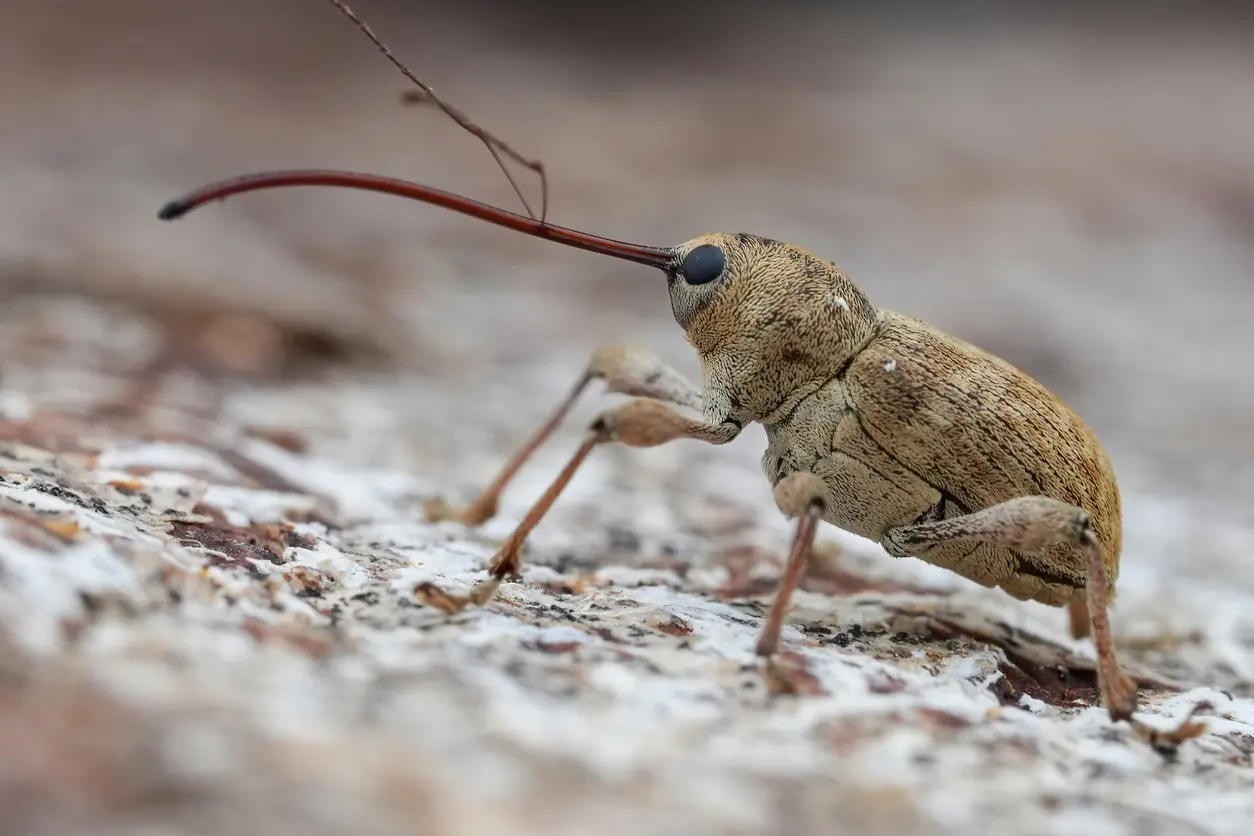
What’s scarier than one bug coming after you? A hundred of them. The University of St. Ambrose University Fighting Bees, Sacramento State Hornets, and Arkansas at Monticello Boll Weevils all represent bugs that know there’s strength in numbers. And when these little guys team up, things can get intimidating fast.
Some species of hornets are known to conduct group raids, attacking other hives in waves to steal larvae for their own colony. Bees have a backup plan, too. When one feels threatened, it releases an alarm pheromone that makes nearby bees more aggressive and calls them in to help defend the colony. And killer bees are true to their name, swarming in huge numbers and chasing threats far from their hive. Even boll weevils know not to go it alone. Some release chemical signals when they find a food source, calling other weevils to join the feast and overwhelm the plant’s defenses. Who knew these tiny bugs were such team players?

The Wildcards
They say to never underestimate your opponent. That sentiment rings especially true for mascots like the Greensboro Grasshoppers, Columbia Fireflies, and University of Richmond Spiders, who all have a few tricks up their sleeves. From surprise attacks to deceptive dating tactics, these critters prove you don’t need stingers to catch your opponent off guard.
Grasshoppers can leap impressive distances, kick hard, and even spit out a foul-tasting liquid when threatened. Fireflies have a darker side, too. Female Photuris fireflies mimic the flash signals of other species to lure unsuspecting males close, then turn a potential mate into their next meal.
And while spiders aren’t technically bugs, they’re still worthy of an honorable mention. Their sticky webs trap unsuspecting prey, and some species use venom to immobilize their catches. These mascots may seem harmless, but their real-life counterparts are full of surprises.
Some Mascots Are Better Left at the Stadium
Bug mascots are fun to cheer for when they’re on the field. But when those same buggy competitors show up in your backyard, it’s a whole different ballgame.
Whether you’re dealing with stingers, biters, or wildcards, we can help get them off your home turf. Contact us for quick, effective pest control so you can enjoy your backyard without the unwanted competition.